


Ki.Sui Journal / Hair Skinification
Hair Skinification: Why Hair Care Starts at the Scalp
Hair skinification brings the rules of skincare to the way you look after your hair. Behind the buzzword there is a sound idea: your scalp is skin, and that is where every hair begins. Here is what research says, how to work out which scalp you have and the right routine for each one.
In short. Hair skinification applies the logic of skincare to the scalp: cleanse without being harsh, rebalance sebum and hydration and protect the skin barrier. In practice, it means choosing your shampoo and how often you wash according to your scalp, not just your lengths, and knowing the signs that mean it is time to see a dermatologist.
01 / The trend, explained
What Does Hair Skinification Mean?
Skinification is a word that was born in beauty marketing, not in dermatology. There is no scientific definition of it. Strip away the hype, though, and you are left with three useful principles.
Cleanse the scalp of sebum, sweat, dead cells and product residue: that is a shampoo’s main job (D’Souza and Rathi, 2015). Rebalance, by choosing your products and how often you wash according to your scalp type. Protect, by avoiding very hot water, scratching with your nails and vigorous rubbing.
02 / The science
Your Scalp Is Skin, With Its Own Rules
Sebum Is Not the Enemy
Sebum production is highest on the scalp, face and chest, and it is regulated by hormones (Borda and Wikramanayake, 2015).
That does not make it a problem. A Japanese study compared the outer layer of skin on the scalp with that of the cheek and forearm. The scalp barrier was similar to the forearm’s and far more efficient than the face’s. Hydration was also higher, partly thanks to sebum lipids, and it dropped once they were removed (O’goshi et al., 2000).
A Microbiome of Its Own
Your scalp is home to a microbiome too: mostly yeasts of the Malassezia genus and bacteria such as Cutibacterium and Staphylococcus. A systematic review of 12 studies found that this balance shifts with dandruff and seborrhoeic dermatitis, and that more Staphylococcus goes hand in hand with a more damaged barrier (Tao et al., 2021).
pH Matters
The pH of the scalp is around 5.5, and a shampoo should not go above it, because a higher pH can cause irritation (D’Souza and Rathi, 2015).
From Scalp to Lengths
And your hair? A literature review links the condition of the scalp to the quality of the hair. On a scalp that is not in good shape, hair forms with a more fragile cuticle, which wears out sooner (Tosti and Schwartz, 2021).
03 / Know your scalp
Oily or Dry Scalp: How to Tell
The clearest clues appear in the day or two after you wash.
| What you notice | Oily scalp | Dry scalp |
|---|---|---|
| After shampooing | Shiny, flat roots after just 1–2 days | Your scalp feels tight; hair stays clean for a long time |
| How it feels | Greasy, sometimes itchy | Dry, sometimes itchy |
| Flakes | If any, larger and greasy | If any, small, white and dry |
| The right shampoo | Purifying, for a deep cleanse | Gentle and hydrating |
A word on flakes: dandruff affects about half of all adults and can cause both dry and greasy flakes (Borda and Wikramanayake, 2015). If it does not improve with suitable cleansing, read the section on when to see a dermatologist.
04 / Your routine
The Right Routine for Every Scalp Type
Oily scalp
Wash whenever you need to, even every day. In two studies of Chinese adults with no scalp problems, daily washing did better than weekly washing on every measure, including sebum and flaking (Punyani et al., 2021).
The research was funded by a company in the industry and carried out on straight hair. Even so, it agrees with D’Souza and Rathi: washing often with a well-formulated shampoo does not damage your hair, as long as you use conditioner.
- Purifying shampoo, on the scalp only.
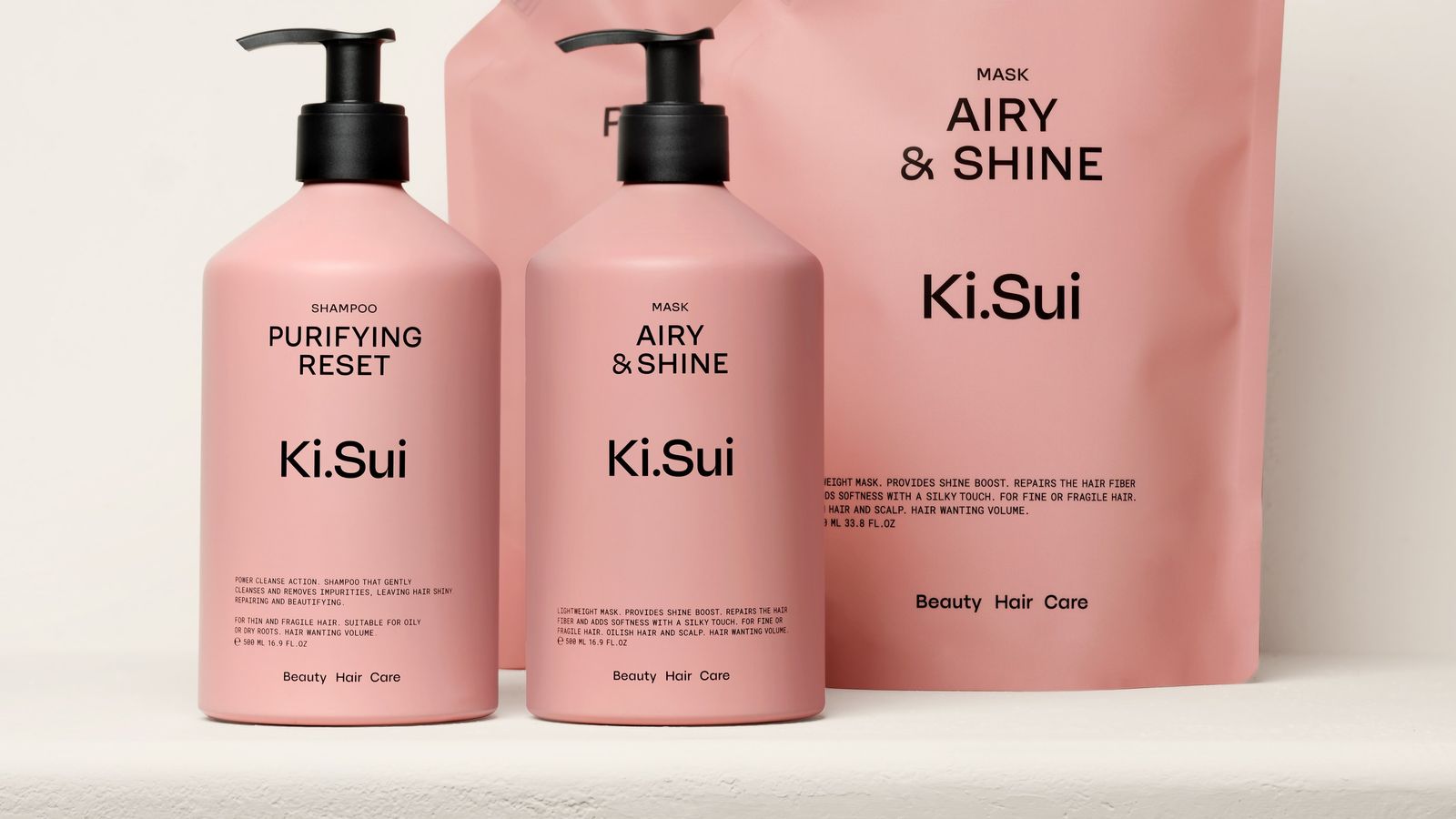
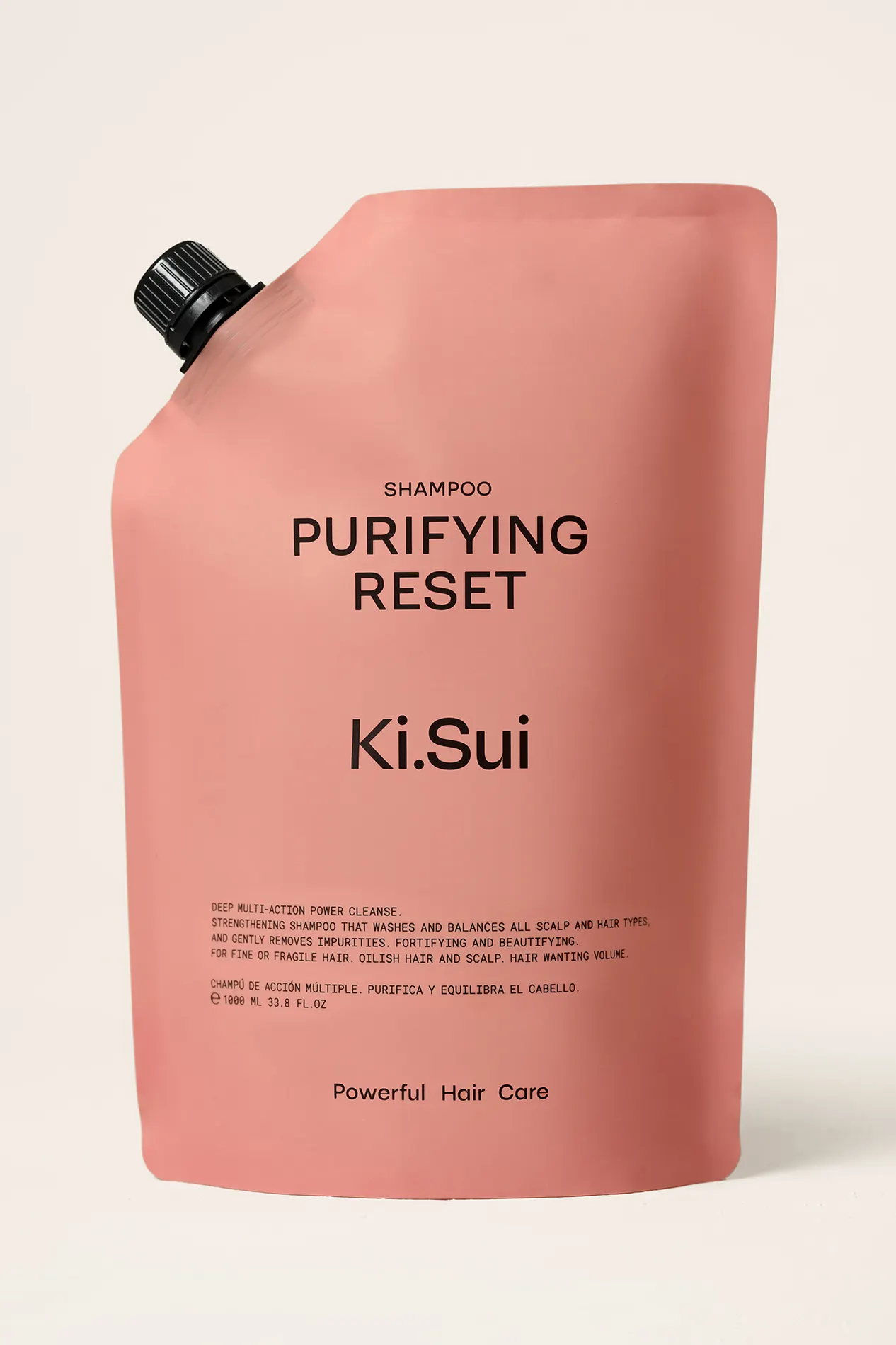
Massage it in with your fingertips. Purifying Reset Shampoo is designed for scalps that tend to get oily: it cleanses deeply without drying out your hair and helps control excess oil.
- Conditioner and mask from the mid-lengths down.
It is the simplest answer to an oily scalp with dry ends.
You will find the full selection in products for oily scalps and products for oily hair.
Dry scalp
A dry scalp needs gentle cleansing, not neglect. It is easy to formulate a shampoo that strips away all the sebum, D’Souza and Rathi point out, but the result is dry, frizzy hair. Go for a gentle shampoo and lukewarm water.
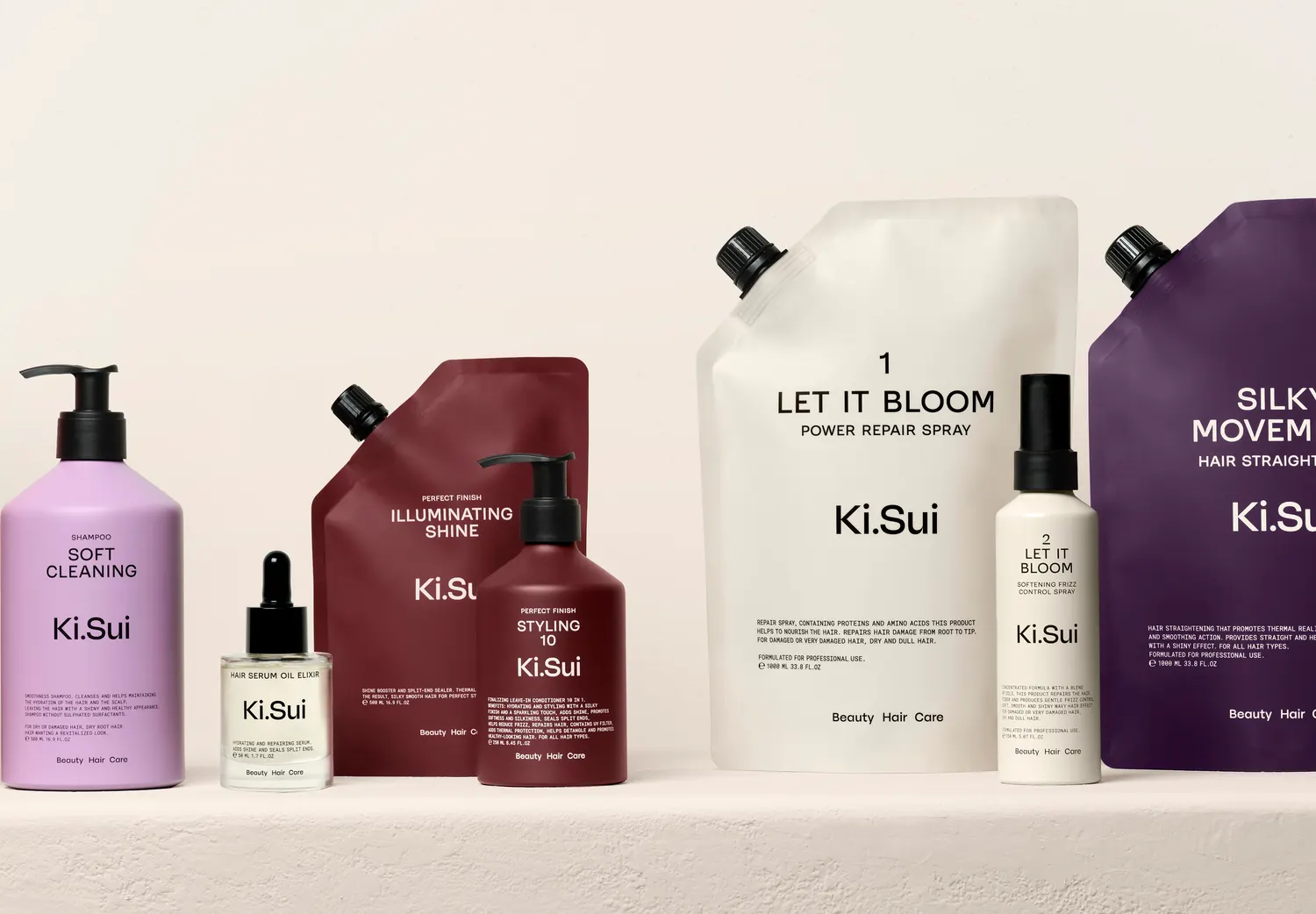
Soft Cleaning Shampoo is a hydrating, sulfate-free shampoo recommended for dry hair and a dry scalp: it cleanses gently without drying. The rest of the range is in products for dry scalps. If your lengths are frizzy too, read Frizzy Hair: Causes and Remedies That Really Work.
Sensitive scalp
A sensitive scalp burns, stings, itches or hurts for no obvious reason, sometimes with redness. It affects between 30 and 50% of people, more often women. Triggers include stress, heat, cold, pollution and hair products themselves (Souza et al., 2023).
The first step is to remove whatever irritates: no exfoliation, no smoothing or other irritating chemical treatments, and cleansing with mild, fragrance-free surfactants (Souza et al., 2023). If your scalp reacts after a new product, stop using it.
05 / Beyond the trend
Scalp Scrubs and Double Shampooing: Do You Need Them?
Both are borrowed from the skincare playbook. Here is what we know.
| Practice | What we know |
|---|---|
| Scalp scrub | We have not found solid studies on the benefits of scrubbing a healthy scalp, and dermatologists advise avoiding it on a sensitive one (Souza et al., 2023). If you have an oily scalp and enjoy it, use one occasionally and never on irritated skin. |
| Double shampoo | A salon habit: the first round removes sebum and styling residue, the second works on a cleaner scalp. The instructions for Purifying Reset and Soft Cleaning also say to leave the shampoo on for 3–5 minutes and repeat. We have not found studies comparing one wash with two. With an oily scalp or lots of styling products, a second round makes sense; with a dry or sensitive scalp, one may be enough. |
06 / Medical advice
When You Need a Dermatologist
Skinification is cosmetic care, not therapy, and this article is no substitute for a doctor’s advice. See a dermatologist if:
- you have thick or yellowish flakes with redness, including on your eyebrows, the sides of your nose or behind your ears. These are the typical areas for seborrhoeic dermatitis, a chronic condition treated with antifungal and anti-inflammatory medicines (Borda and Wikramanayake, 2015);
- the itching has lasted for weeks despite a gentle shampoo, or comes with burning or pain;
- you notice bald patches with flakes, especially in children: this may be a contagious fungal infection (Borda and Wikramanayake, 2015);
- your hair starts falling out suddenly, or much more than usual.
07 / For professionals
If You Work in a Salon
At the backwash, look at the scalp: sebum at the roots, flakes, redness. Ask your client how often they wash their hair and whether they feel any itching, then recommend a routine using the table above. If you spot any of the signs in the list above, do not diagnose: tactfully suggest a visit to a dermatologist. For professional training, there is Ki.Sui Academy, Ki.Sui’s training for hairdressers.
Start with your scalp
What Is Your Scalp Type?
The hair diagnosis asks what your scalp is like (normal, sensitive, oily or dry) and suggests a personalised Ki.Sui routine.
Take the Free Hair Diagnosis →08 / FAQs
Frequently Asked Questions About Hair Skinification
What does hair skinification mean?
It is a beauty-marketing term, not a medical one: it means bringing the logic of skincare to your scalp. In practice, that means cleansing without being harsh, rebalancing sebum and hydration and protecting the skin barrier.
How often should you wash hair with an oily scalp?
Every day, if you need to. In the studies available, frequent washing did not damage hair and reduced sebum and flaking. Use a purifying shampoo on the scalp and conditioner on the lengths only.
Does double shampooing really work?
There are no studies comparing it with a single wash. It makes sense with an oily scalp or lots of styling products; with a dry or sensitive scalp, one thorough wash may be enough.
What should you do about a dry, itchy scalp?
Choose a gentle shampoo and use lukewarm water. If your scalp is also sensitive, avoid scrubs and fragranced products. If the itching lasts for weeks, or you notice redness, thick flakes or pain, see a dermatologist.
Dry or oily dandruff: how can you tell?
Dandruff can cause both dry and greasy flakes, and it is linked to sebum and to the yeasts that live on the scalp. If the flakes do not clear up with suitable cleansing, ask a dermatologist.
Research & Further Reading
- D’Souza and Rathi (2015). Shampoo and Conditioners: What a Dermatologist Should Know? Indian Journal of Dermatology, 60(3), 248–254.
- Borda and Wikramanayake (2015). Seborrheic Dermatitis and Dandruff: A Comprehensive Review. Journal of Clinical and Investigative Dermatology, 3(2).
- O’goshi, Iguchi and Tagami (2000). Functional analysis of the stratum corneum of scalp skin: studies in patients with alopecia areata and androgenetic alopecia. Archives of Dermatological Research, 292(12), 605–611.
- Tao, Li and Wang (2021). Skin microbiome alterations in seborrheic dermatitis and dandruff: A systematic review. Experimental Dermatology, 30(10), 1546–1553.
- Tosti and Schwartz (2021). Role of scalp health in achieving optimal hair growth and retention. International Journal of Cosmetic Science, 43(Suppl 1), S1–S8.
- Souza et al. (2023). Sensitive Scalp and Trichodynia: Epidemiology, Etiopathogenesis, Diagnosis, and Management. Skin Appendage Disorders, 9(6), 407–415.
- Punyani et al. (2021). The Impact of Shampoo Wash Frequency on Scalp and Hair Conditions. Skin Appendage Disorders, 7(3), 183–193.