


Ki.Sui Journal / Hair Care
Frizzy Hair: Causes and Remedies That Really Work
Frizz is not a flaw in your hair: it is how the hair fibre reacts to water, heat and friction. Understanding where it comes from is the quickest way to stop fighting it blindly. Here are the real causes, a routine that works and what research says about the most searched-for natural remedies.
In short. Hair becomes frizzy when the cuticle — its outer layer — is no longer smooth and compact. The fibre absorbs and releases moisture unevenly, while strands rub against each other. Effective remedies focus on three things: cleansing without being harsh, conditioning with every wash and limiting direct heat.
01 / Understanding frizz
What Is Frizz, in Simple Terms?
Every hair is covered with tiny overlapping scales, like roof tiles: this is the cuticle. When those scales lie flat, hair reflects light and feels smooth between your fingers. When they are raised or damaged, the surface becomes rough, the fibre swells in humid conditions and strands no longer sit neatly together.
Frizz is visible, but you can also feel it. A study by L’Oréal researchers found that changes in humidity alter friction between hair fibres and, with it, how frizzy curly hair feels to the touch (Skedung et al., 2021). This helps explain why so many people notice more frizz on humid days.
02 / The science
The Most Common Causes of Frizzy Hair
Humidity
Dry hair, or hair with a raised cuticle, absorbs moisture from the air and swells unevenly. That is why the same head of hair can look perfect in Milan in winter and become unmanageable at the beach in August.
Overly Harsh Cleansing
Anionic surfactants, among the most effective cleansing ingredients, can increase negative electrical charges on the hair surface and, with them, frizz and friction between fibres (Gavazzoni Dias, 2015). pH matters too: alkaline shampoos can encourage cuticle swelling, whereas a lower pH is associated with less static and frizz. In an analysis of 123 shampoos, only 38% had a pH of 5.5 or below; among professional salon shampoos, that figure rose to 75% (Gavazzoni Dias et al., 2014).
Heat from Straighteners and Hairdryers
The higher the temperature, the greater the damage to the hair surface. One study compared hair dried at 47, 61 and 95°C (Lee et al., 2011). Surprisingly, it also found that using a hairdryer 15 cm from the hair, keeping it moving, caused less damage than leaving hair wet to air-dry for a prolonged period.
Colouring and Bleaching
Hair dye, highlights and chemical treatments can change the structure of the fibre and increase porosity. Bleached hair tends to lose and reabsorb water more readily, which is why it may become frizzy even if it never was before.
Hard Water
Limescale is not just a shower problem. Hair, particularly when damaged, can retain calcium and magnesium from water. These minerals build up in the cuticle layers and alter their mechanical properties (Evans et al., 2011). Hard water is not the main cause of frizz, but it can make treated hair feel rougher.
Everyday Friction
Rubbing your hair with a towel, detangling wet hair from the roots or sleeping on a rough pillowcase: small habits which, repeated daily, can damage and lift the cuticle.
03 / Know your hair
Are Frizzy Hair and Dry Hair the Same?
No, although they often go hand in hand. Dry hair lacks moisture and lipids: it looks dull, feels rough and tends to break. Frizzy hair has a less even surface and reacts to humidity; it may be well hydrated, as with naturally curly hair on a humid day.
In practice, dry hair is often frizzy, but not all frizzy hair is dry. That is why the answer is not simply “more oil”, but an appropriate cleansing routine and effective conditioning.
04 / Your routine
A Five-Step Routine That Really Works
Simple, consistent habits can make a greater difference than piling on extra products.
- Wash without stripping your hair.
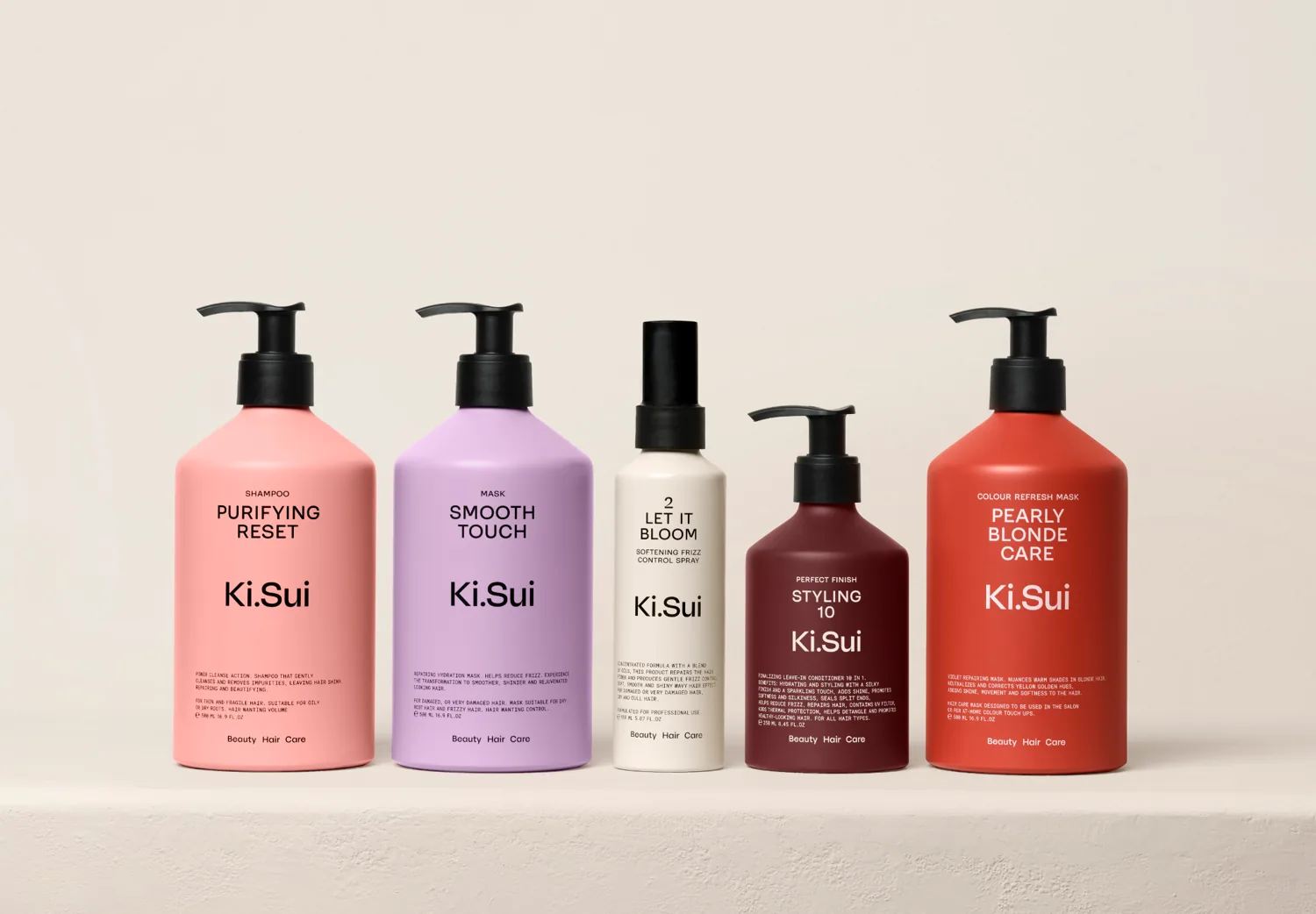
Use a small amount of shampoo and massage the scalp only: the lengths will be cleansed by the lather as it rinses through, without rubbing. If your hair is dry and frizzy, choose a shampoo designed for that concern, such as Soft Cleaning Shampoo, and never skip the next step.
- Condition every time you wash.
Conditioners and masks reduce static electricity and friction between fibres, making hair easier to manage (D’Souza and Rathi, 2015). Apply a mask from mid-lengths to ends and leave it on for a few minutes. A nourishing anti-frizz mask such as Smooth Touch Mask is formulated for dry or frizzy hair.
- Squeeze, don’t rub.
Remove excess water by gently pressing with a microfibre towel or cotton T-shirt. Detangle from the ends upwards using a wide-toothed comb.
- Protect before using heat.
Before blow-drying or straightening, apply a leave-in product with heat protection, such as Styling 10. Hold the hairdryer around 15 cm away, keep it moving and finish with a blast of cool air.
- Keep touching to a minimum.
Once your hair is dry, the less you handle it, the less likely it is to frizz. At night, a loose plait or a smooth pillowcase can help reduce friction.
Explore the range of products for frizzy hair. If you are unsure where to start, a hair diagnosis can help you build a routine suited to your hair and scalp.
05 / Beyond the myths
Natural Remedies: What Does the Research Say?
“Grandmother’s remedies” and “natural remedies” are among the most common searches about frizz. Some have scientific support; others have far less.
| Remedy | What we know |
|---|---|
| Coconut oil before shampooing | Of the three oils tested (coconut, sunflower and mineral), coconut oil was the only one shown to reduce protein loss from hair, because it can penetrate the fibre (Rele and Mohile, 2003). Use a small amount on the lengths before washing. |
| Oils on dry hair | They can add shine and slip, but too much may weigh hair down and leave the scalp greasy. A few drops on the ends are enough. |
| Vinegar, beer, egg or mayonnaise | We have not found robust studies measuring their effect on frizz. Home mixtures can also irritate the scalp or cause unwanted residue, so they are not a substitute for cleansing and conditioning. |
06 / Professional care
When Is It Time to Visit the Salon?
If frizz persists despite a good routine, the hair fibre may be significantly damaged or naturally highly porous. A professional can assess its condition and recommend a suitable in-salon treatment.
One popular option is an anti-frizz smoothing treatment, which can help keep hair more manageable for weeks. Not all treatments are alike: formulas, longevity and maintenance requirements vary considerably. Ki.Sui’s professional smoothing treatment is called Silky Movement and is performed in the salon.
A routine made for you
Not Sure What Your Hair Needs?
Answer a few questions about your hair and scalp to discover a personalised Ki.Sui routine.
Take the Free Hair Diagnosis →07 / FAQs
Frequently Asked Questions About Frizzy Hair
Why is my hair frizzy straight after shampooing?
Often because cleansing has been too harsh, or because you have skipped conditioner or a mask. Shampooing can increase friction and leave hair more prone to static; without conditioning, strands rub against each other. Try a cleansing product suited to your hair and always follow with conditioning.
Is there a permanent cure for frizzy hair?
There is no once-and-for-all remedy, because new hair grows with its natural structure. In-salon smoothing treatments may last weeks or months, while your daily routine helps maintain the results.
Is curly hair always frizzy?
No. The shape of a curl can make it more challenging for the cuticle to stay smooth and can make humidity more noticeable. With appropriate cleansing, conditioning and less friction, curls can remain beautifully defined.
Can men have frizzy hair too?
Yes. The causes are the same. Frizz may be less obvious on shorter hair, but the approach is similar: suitable shampoo, conditioner and limited direct heat.
Does hard water make hair frizzy?
It can make hair feel rougher, particularly colour-treated or bleached hair, which can retain more calcium and magnesium. However, it is not usually the main cause of frizz.
Research & Further Reading
- Skedung et al. (2021). A Curly Q: Is Frizz a Matter of Friction?
- Gavazzoni Dias (2015). Hair cosmetics: an overview. International Journal of Trichology.
- Gavazzoni Dias et al. (2014). The shampoo pH can affect the hair: myth or reality? International Journal of Trichology.
- Lee et al. (2011). Hair shaft damage from heat and drying time of hair dryer. Annals of Dermatology.
- Evans et al. (2011). The structural implications of water hardness metal uptake by human hair.
- D’Souza and Rathi (2015). Shampoo and conditioners: what a dermatologist should know? Indian Journal of Dermatology.
- Rele and Mohile (2003). Effect of mineral oil, sunflower oil, and coconut oil on prevention of hair damage.